Free custom design • Exclusive tattoos • Permanent makeup • Tattoо-shop •
burger
en
cart 0

Category: Blog for Piercing

Permanent Makeup vs. Traditional Tattooing

5 Key Difference

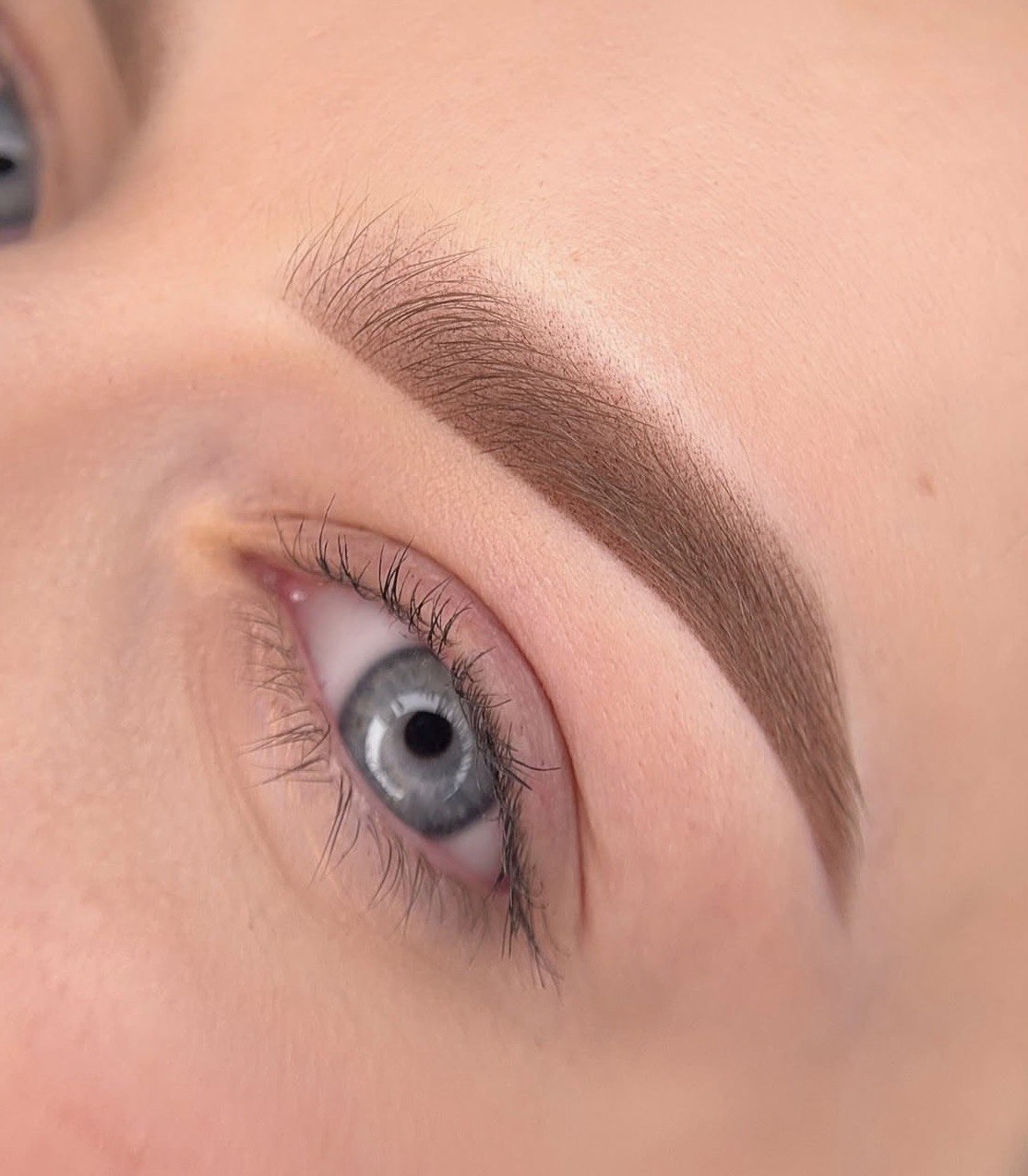
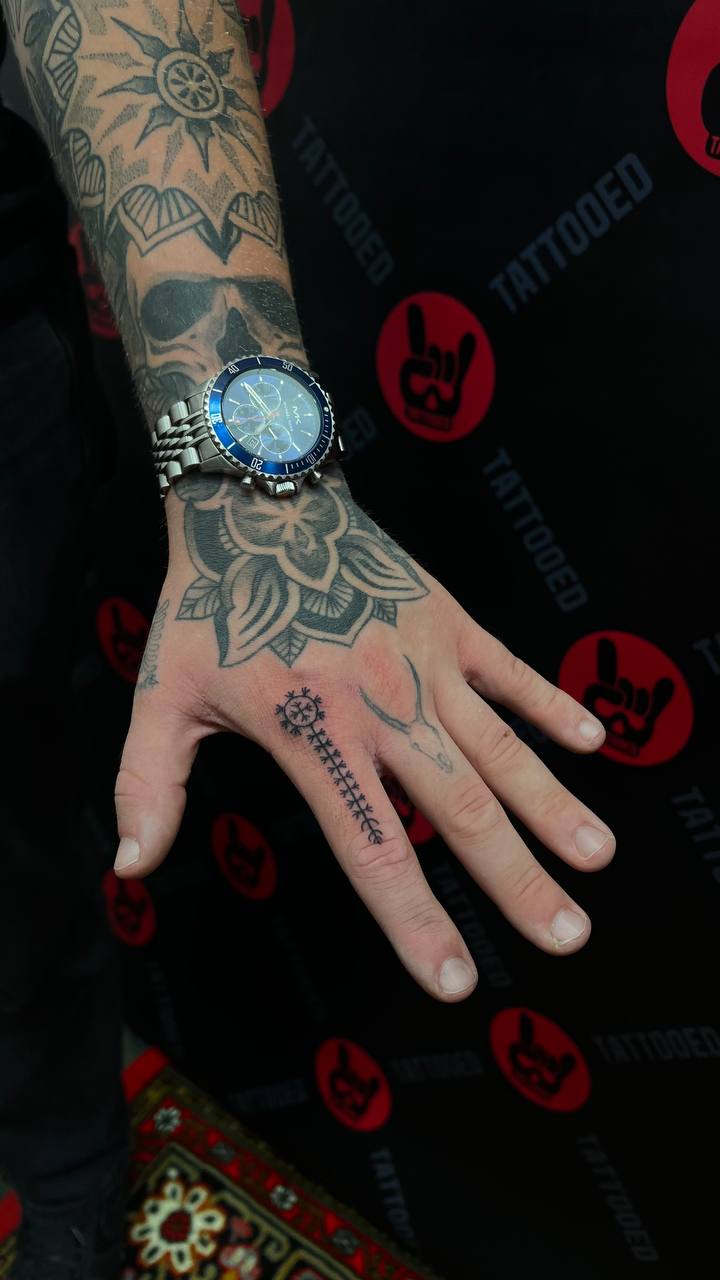
A common misconception is that Permanent Makeup (PMU) is just a “face tattoo.” At Tattooed, we treat these as two distinct disciplines. While both involve pigment and needles, the technology, chemistry, and biology behind them are worlds apart.

Here are the 5 fundamental differences that determine how your art will look today—and ten years from now.

1. Depth of Insertion: The Crucial Millimeters

This is the primary technical distinction.

Traditional Tattoo: Pigment is injected deep into the dermis. This ensures the design stays forever, as cells at this depth do not regenerate like surface cells.

Permanent Makeup: We work in the upper layers of the dermis, near the dermal-epidermal junction. It is precision work: go too deep, and the color turns blue or ashy; stay too shallow, and it disappears within a month.

2. Pigment Composition: Particles and Bases

Under EU REACH regulations, all our pigments meet strict safety standards, but their structures differ:

Tattoo Inks: Contain larger particle sizes designed to “lock” into the skin permanently. They are formulated to withstand decades of UV exposure.

PMU Pigments: Feature a smaller, more finely dispersed particle structure. They are designed to be gradually broken down and carried away by the immune system over time. This allows the color to fade gracefully rather than becoming a permanent stain.

3. Longevity: Eternity vs. Transformation

Tattoo: Created for a lifetime. While it may require a touch-up every 10–15 years, the base remains.

PMU: Designed to last 1.5 to 2 years. Why is this a benefit? Your face changes—skin tone shifts, features migrate, and trends evolve. PMU that fades allows us to adjust the shape and shade to match your aging process and current style.

4. Equipment and Trauma Levels

Tattoo Machines: Powerful devices built to penetrate thicker skin on the body, often using large needle groupings (up to 45 needles).

PMU Devices: Much gentler and quieter. They are engineered for ultra-fine lines and soft shading on delicate facial tissue (eyelids, lips). Trauma is minimal; there is often little to no swelling after the procedure.

5. Healing and Color Stabilization

Tattoo: Once healed, the color becomes slightly more matte as it sits under the skin, but the hue remains stable.

PMU: Goes through a complex “stabilization” phase. Brows may look too dark on day three, disappear on day ten, and finally “bloom” to the true shade by day thirty. This is because the thin layer of healing epidermis significantly affects how the light reflects off the pigment.

Tattooed Standard: Expertise in every layer. At Tattooed, we use only certified, next-generation pigments that guarantee a predictable fade without shifting into unwanted hues.

Last updated: March 12, 2026
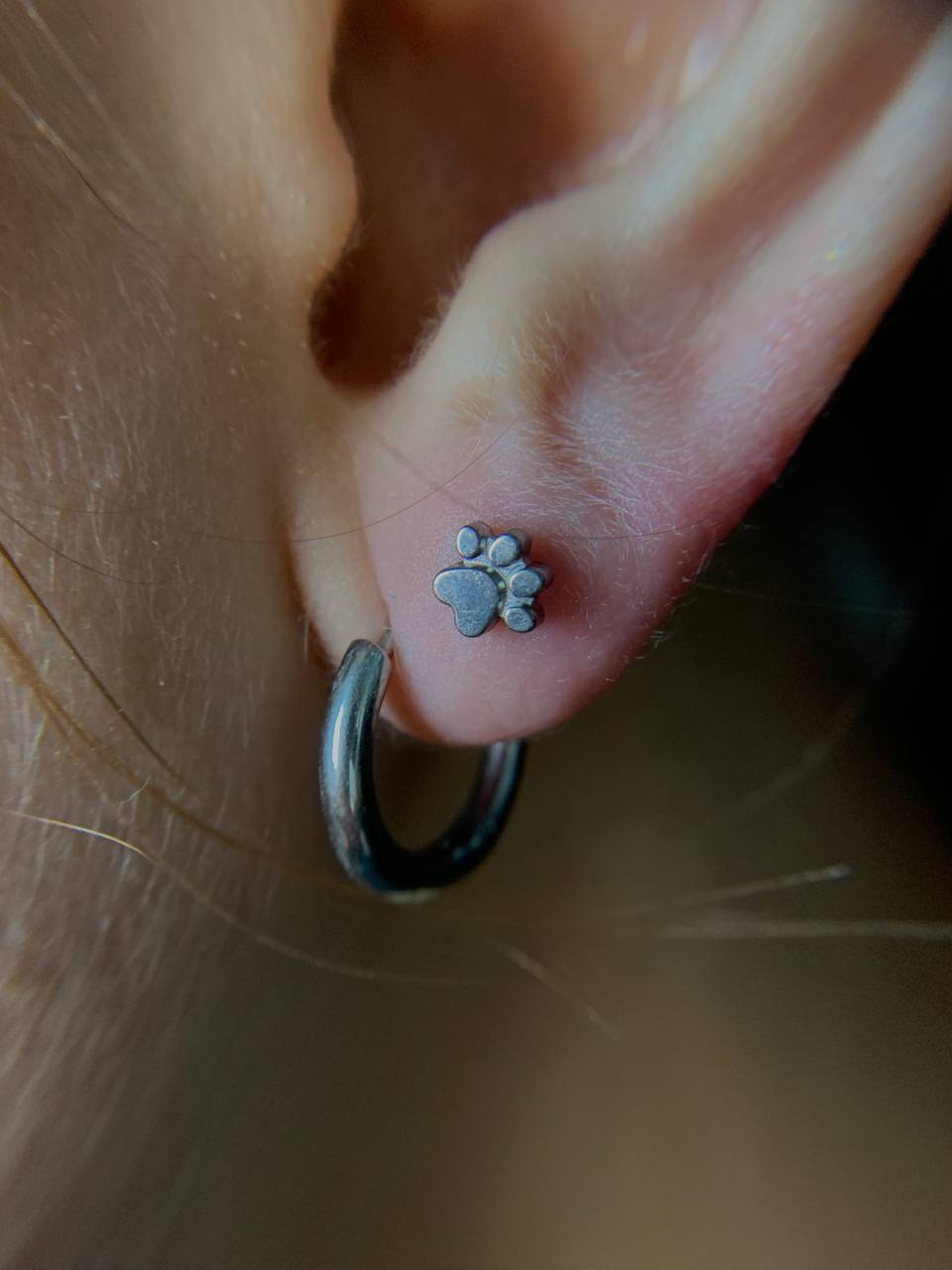
Titanium vs. Surgical Steel

Why We Don’t Work with Steel

When it comes to piercing, the choice of metal is not a matter of taste, but a matter of biocompatibility. Let’s break down why “steel” in a piece of jewelry is often a marketing myth that can cost you your health.

The Myth of “Medical” Steel The name “surgical steel” sounds reliable. However, this alloy (Grade 316L) was created for medical instruments, not for permanent wear inside the body.

The Main Problem: Nickel. All steel contains nickel. Through constant contact with lymph and blood, nickel begins to release salts that cause allergies in 15–20% of people.

The Result: The piercing doesn’t heal for months; it stays red, itches, and develops bumps (granulomas). You might think it’s poor aftercare, but in reality, it is your body reacting to the metal.

Why Titanium (ASTM F-136) is the Tattooed Standard We use implant-grade titanium, specifically ASTM F-136. This is the same material used for dental implants and joint prosthetics.

Biocompatibility: The body does not perceive titanium as a foreign object. It does not oxidize or release harmful substances.

Zero Nickel Content: Titanium is hypoallergenic. It is the perfect choice for an initial piercing and for individuals with sensitive skin.

Lightweight: Titanium is twice as light as steel. This is critical for a fresh piercing: heavy steel jewelry pulls on the channel, traumatizing the tissue and slowing down the healing process.

Polishing: High-quality titanium jewelry has a mirror-like finish. Steel often has microscopic burrs where bacteria can accumulate.

Saving Money or Saving Your Health? Steel jewelry is cheap, and that is its only advantage. But the price of a “cheap” piercing often includes doctor visits, expensive ointments, and ultimately, replacing the jewelry with titanium anyway.

We install titanium immediately to ensure your journey to a beautiful piercing is short and painless.

How to Check Your Jewelry? Visually, steel and titanium look similar. But there is a simple secret: titanium is darker with a grayish undertone, while steel is bright white and cold. However, the best way is to trust a studio that values its reputation and is transparent about its materials.

Is your piercing taking too long to heal? It might be the jewelry. Come in for a consultation at our studio in Zagreb, and we will find a safe replacement for you.

Last updated: March 10, 2026

Walk-In Tattoos – Piercing Zagreb

# Did You Know the Coolest Walk-In Tattoos in Zagreb Are Just 2 Minutes from the Main Square? Street Art on Legs That’s Blowing Up Feeds!

Did you know that in 2026, walk-in tattoo Zagreb is one of the hottest trends among tourists right in the center of Zagreb? Especially if you’re looking for street art tattoo or graffiti style tattoo on legs, arms, or anywhere — TATTOOED Studio at Petrinjska 9 (smack in the heart of the city, only 2 minutes walk from Trg bana Jelačića) welcomes you every day with no appointment needed! Perfect for spontaneous decisions: you’re strolling the center, grabbed coffee on the main square, wandered along Ilica or Tkalčićeva — and suddenly thought, “Let’s get something edgy today.”

Check out this fresh photo: powerful graffiti tattoos on legs featuring street art elements, graffiti lettering, abstract tags, chaotic scribbles, bold black outlines, and an incredible color gradient from turquoise to purple-blue with bright energy splashes. This isn’t just a tattoo — it’s walking street art that looks like you just stepped out of a graffiti gallery in Berlin or New York, but right here in the center of Zagreb.


Why Walk-In Tattoos at TATTOOED Are the Best Choice for Tourists in Zagreb 2026

– Walk-in every day — drop by without booking, especially for simple to medium designs (fine line, graphic, blackwork, color splash, abstract).
– Perfect central location — Petrinjska 9, 2 minutes from Ban Jelačić Square — super convenient after walking Ilica, Tkalčićeva, grabbing coffee on the main square, or shopping downtown.
– Trending styles right now: graffiti lettering, street art, abstract blackwork, vibrant gradients, bold outlines — your tattoo becomes instantly eye-catching and deeply personal.
– Maximum safety: certified artists, premium single-use supplies, European pigments, private booths for total comfort.
– For tourists in the center: massive walk-in flow from visitors — come in, get inked, leave with fresh badass art, and keep exploring Zagreb right away.

Want bold ink like this? Swing by Petrinjska 9 — walk-in is waiting! Or DM us on Reddit to match sketches to your vibe:  https://www.reddit.com/user/TATTOEDOFFICIAL/


#tattooZagreb #walkinTattooZagreb #graffitiTattoo #streetArtTattoo #tattooLegs #TATTOOEDZagreb #tattooCroatia #ZagrebTattoo #PetrinjskaTattoo #urbanTattoo2026

Tattoo Contraindications

When You Should Reschedule Your Session

For a perfect result, not only the artist’s skills but also the condition of your body are vital. Sometimes, “waiting it out” is the best decision for the quality of your future tattoo. Here are the main reasons why a session should be postponed and why it is in your best interest.

1. Colds, Flu, and Fever

Even if it’s “just a runny nose,” your immune system is already working at its limit.

The Problem: Your body directs all its energy toward fighting the virus rather than healing a new wound. This leads to prolonged recovery, severe swelling, and poor pigment retention.

The Solution: If you feel weak or your temperature rises above , please let us know. We will reschedule the session for a date when you are fully recovered.

2. Antibiotics and Medication

Antibiotics place a significant strain on your microbiome and immune system.

The Problem: Medications can change how the skin reacts to pigment. In our experience, during a course of antibiotics, the ink may settle “muddy” or wash out much more intensely.

The Solution: Book your session at least 7–10 days after finishing your course of antibiotics. The body needs time to restore itself.

3. Skin Conditions in the Application Area

We cannot work on damaged or irritated skin. This is a Tattooed safety standard.

Psoriasis, Eczema, Acne: If there are active breakouts or inflammation in the future tattoo area, the procedure cannot be performed. This risks exacerbating the condition and deforming the design.

Sunburn: Never get a tattoo on “burnt” skin. The epidermis will peel away along with the ink.

The Solution: Wait for full remission or complete skin recovery.

4. Alcohol and Blood-Thinning Medications

The Problem: Alcohol within 24 hours of the session and aspirin thin the blood. During the process, too much lymph and blood will be released, literally “washing out” the ink before it can set.

The Solution: 48 hours of sobriety before and after the session is the key to sharp contours.

5. Pregnancy and Breastfeeding

While direct bans are a topic of debate, at Tattooed, we recommend postponing the procedure.

The Reason: Hormonal changes can unpredictably affect the color. Furthermore, any stress to the mother’s body is stress for the baby. We prefer not to risk your comfort.

We want your tattoo to remain perfect for decades, and for that, your body needs to be in excellent shape.

https://medium.com/@tattooedeu/why-fine-line-tattoos-are-trending-in-zagreb-in-2025-17861a56d63b

Last updated: March 12, 2026

Pain Chart

Where Does It Hurt Most and Should You Use Numbing Creams?

“How much will it hurt?” — this is the first question we hear at Tattooed from every first-timer. The fear of pain is often the only thing standing between a client and their dream tattoo. As a studio with a decade of experience, we’ve prepared an honest breakdown of what you’ll actually feel and why “magic numbing creams” aren’t always the best solution.

What Determines the Pain Level?

Pain is subjective, but it generally depends on three factors:

  1. Placement: Areas with thin skin or those close to bones and nerve endings are more sensitive.

  2. Session Duration: By the 3rd or 4th hour, the body’s natural endorphin supply depletes, and even “easy” spots start to feel tender.

  3. Your Condition: Fatigue, hunger, or a hangover can amplify pain sensations significantly.

The Pain Map: From “Bearable” to “Eyes Watering”

We categorize body areas into three levels of discomfort:

Green Zone (Minimal Pain): Shoulders, forearms, outer thighs, and calves. The skin here is thick, and muscle or fat acts as a natural cushion.

Yellow Zone (Moderate): Shoulder blades, back, abdomen, and front of thighs. It feels like intense scratching—perfectly manageable for a long session.

Red Zone (Maximum): Ribs, sternum, elbows, knees, armpits, feet, and fingers. In these areas, the skin is thin, and the machine’s vibration travels directly into the bone or nerve clusters.

The Truth About Anesthesia: Why We Don’t Recommend It

Many clients ask for numbing creams (typically lidocaine-based). However, in the professional industry, we approach them with caution for several reasons:

  1. Skin Texture Alteration: Numbing creams can make the skin “rubbery” or overly saturated. This makes it harder for the artist to saturate the pigment correctly, which can lead to unnecessary trauma and longer healing times.

  2. The “Rebound” Effect: When the cream wears off (usually after 60–90 minutes), the pain returns abruptly and often feels much more intense than if you had started without it.

  3. Impact on Pigment: The chemical composition of some creams can react with the ink, potentially causing the tattoo to look duller or “muddy” after it heals.

How to Stay Comfortable Without Chemicals

Your best anesthesia is proper preparation. The Tattooed standard for a smooth session:

Sleep: Get a full night’s rest. A rested nervous system is your best shield against pain.

Eat well: Have a hearty meal 1–2 hours before your session. Stable blood sugar helps your body produce endorphins.

Hydrate: Well-hydrated skin accepts ink better and heals faster.

Dress comfortably: Wear loose clothing that doesn’t restrict movement or apply pressure.

Tattooed Standard: Your Comfort Matters. We know how to make the process as gentle as possible. Our modern equipment and refined techniques minimize discomfort. Remember: the fear of the pain is almost always worse than the pain itself.

Last updated: March 12, 2026

Permanent Makeup vs. Traditional Tattooing

5 Key Difference

A common misconception is that Permanent Makeup (PMU) is just a “face tattoo.” At Tattooed, we treat these as two distinct disciplines. While both involve pigment and needles, the technology, chemistry, and biology behind them are worlds apart.

Here are the 5 fundamental differences that determine how your art will look today—and ten years from now.

1. Depth of Insertion: The Crucial Millimeters

This is the primary technical distinction.

Traditional Tattoo: Pigment is injected deep into the dermis. This ensures the design stays forever, as cells at this depth do not regenerate like surface cells.

Permanent Makeup: We work in the upper layers of the dermis, near the dermal-epidermal junction. It is precision work: go too deep, and the color turns blue or ashy; stay too shallow, and it disappears within a month.

2. Pigment Composition: Particles and Bases

Under EU REACH regulations, all our pigments meet strict safety standards, but their structures differ:

Tattoo Inks: Contain larger particle sizes designed to “lock” into the skin permanently. They are formulated to withstand decades of UV exposure.

PMU Pigments: Feature a smaller, more finely dispersed particle structure. They are designed to be gradually broken down and carried away by the immune system over time. This allows the color to fade gracefully rather than becoming a permanent stain.

3. Longevity: Eternity vs. Transformation

Tattoo: Created for a lifetime. While it may require a touch-up every 10–15 years, the base remains.

PMU: Designed to last 1.5 to 2 years. Why is this a benefit? Your face changes—skin tone shifts, features migrate, and trends evolve. PMU that fades allows us to adjust the shape and shade to match your aging process and current style.

4. Equipment and Trauma Levels

Tattoo Machines: Powerful devices built to penetrate thicker skin on the body, often using large needle groupings (up to 45 needles).

PMU Devices: Much gentler and quieter. They are engineered for ultra-fine lines and soft shading on delicate facial tissue (eyelids, lips). Trauma is minimal; there is often little to no swelling after the procedure.

5. Healing and Color Stabilization

Tattoo: Once healed, the color becomes slightly more matte as it sits under the skin, but the hue remains stable.

PMU: Goes through a complex “stabilization” phase. Brows may look too dark on day three, disappear on day ten, and finally “bloom” to the true shade by day thirty. This is because the thin layer of healing epidermis significantly affects how the light reflects off the pigment.

Tattooed Standard: Expertise in every layer. At Tattooed, we use only certified, next-generation pigments that guarantee a predictable fade without shifting into unwanted hues.

Last updated: March 12, 2026
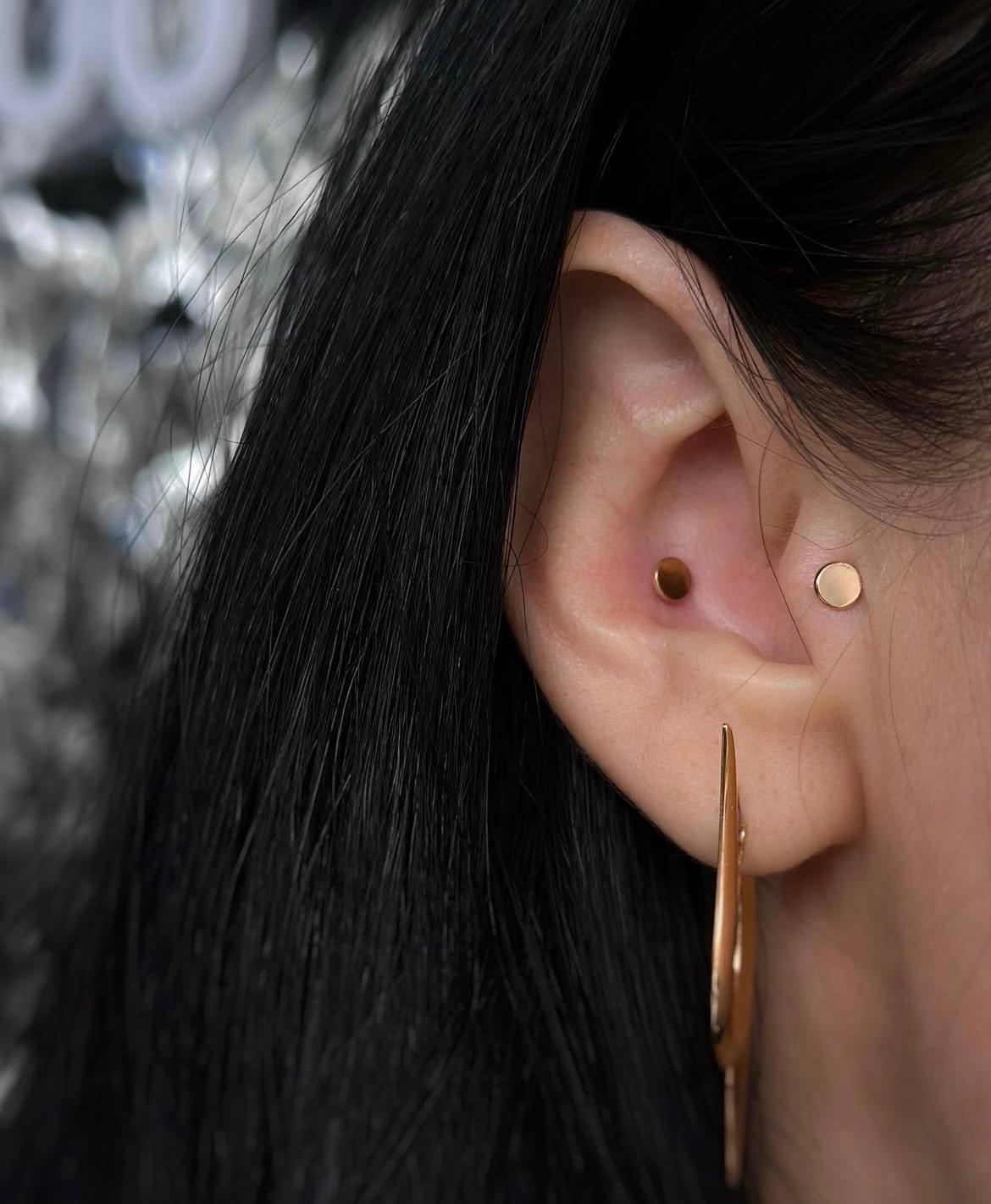
Ear Piercing Aftercare: The Tattooed Gold Standard

Getting a high-quality piercing from a professional is just the beginning. The formation of a healthy channel in the cartilage or earlobe can take anywhere from a few weeks to six months. To ensure the process goes smoothly and without complications, we at Tattooed use a proven care protocol.

The Golden Rule: Do Not Disturb the Piercing

The biggest mistake is the urge to twist, move, or “rotate” the jewelry.

Forget the Myths: Modern research proves that any movement of the jewelry traumatizes the fragile tissue inside the healing channel. This leads to swelling and prolonged healing times.

Minimal Contact: You should only touch your ear during the cleaning process. The rest of the time, the piercing must be left in absolute peace.

How to Clean Your Piercing

For safe healing, we recommend using only a saline solution (0.9% sodium chloride) in spray form.

Rinsing: Spray the solution onto the piercing site from both sides (front and back) twice a day — morning and evening.

Removing Discharge: If dried lymph (crusties) has accumulated around the jewelry, do not pick at them while dry. Soften them with saline first and gently remove them with a lint-free wipe or a cotton swab.

What to Avoid: Alcohol, hydrogen peroxide, and chlorhexidine are too aggressive. They “burn” new cells, which can double the healing time.

Lifestyle and Sleep

Your habits directly affect how quickly your ear recovers.

Do Not Sleep on the Piercing: This is critical, especially for cartilage (Helix, Industrial, Tragus). Pressure from the pillow can cause the piercing to migrate or tilt, resulting in crooked jewelry.

Hair and Cosmetics: Keep your hair away from the fresh piercing. Ensure that hairsprays, shampoos, and perfumes do not get into the wound. If cosmetics do come into contact, simply rinse the area with clean water.

When Can I Change the Jewelry?

Initial healing occurs in 2–4 weeks, but the channel takes much longer to fully form.

Earlobe: Jewelry can usually be changed after 1.5–2 months.

Cartilage: Full healing takes 6 to 12 months. Do not rush to change the jewelry yourself.

Downsizing: We recommend your first “downsize” (replacing the initial long post with a shorter one) by a professional 4–6 weeks after the procedure.

When to Sound the Alarm

Minor swelling and redness in the first few days are normal reactions. However, contact us if:

  1. The ear throbs intensely or swelling continues to increase after the first week.

  2. Purulent discharge (yellow or green) appears.

  3. The jewelry becomes too “tight” due to extreme swelling.

At Tattooed, we don’t just perform the piercing — we guide you until it is fully healed. Experience shows: discipline in aftercare saves you time and money on treating inflammations

Top

Cookie settings

This website uses cookies for traffic analysis and marketing purposes. By continuing to use the site, you consent to this use.

Accept
Customize cookie settings

You can set your preferences here:

Essential cookies

These cookies are necessary for browsing the site and using its features, such as accessing secure areas. You can disable these cookies in your browser settings, but doing so will significantly limit the functionality of the site.

Save cookie settings