
Pain Chart
100
“How much will it hurt?” — this is the first question we hear at Tattooed from every first-timer. The fear of pain is often the only thing standing between a client and their dream tattoo. As a studio with a decade of experience, we’ve prepared an honest breakdown of what you’ll actually feel and why “magic numbing creams” aren’t always the best solution.
Pain is subjective, but it generally depends on three factors:
Placement: Areas with thin skin or those close to bones and nerve endings are more sensitive.
Session Duration: By the 3rd or 4th hour, the body’s natural endorphin supply depletes, and even “easy” spots start to feel tender.
Your Condition: Fatigue, hunger, or a hangover can amplify pain sensations significantly.
We categorize body areas into three levels of discomfort:
Green Zone (Minimal Pain): Shoulders, forearms, outer thighs, and calves. The skin here is thick, and muscle or fat acts as a natural cushion.
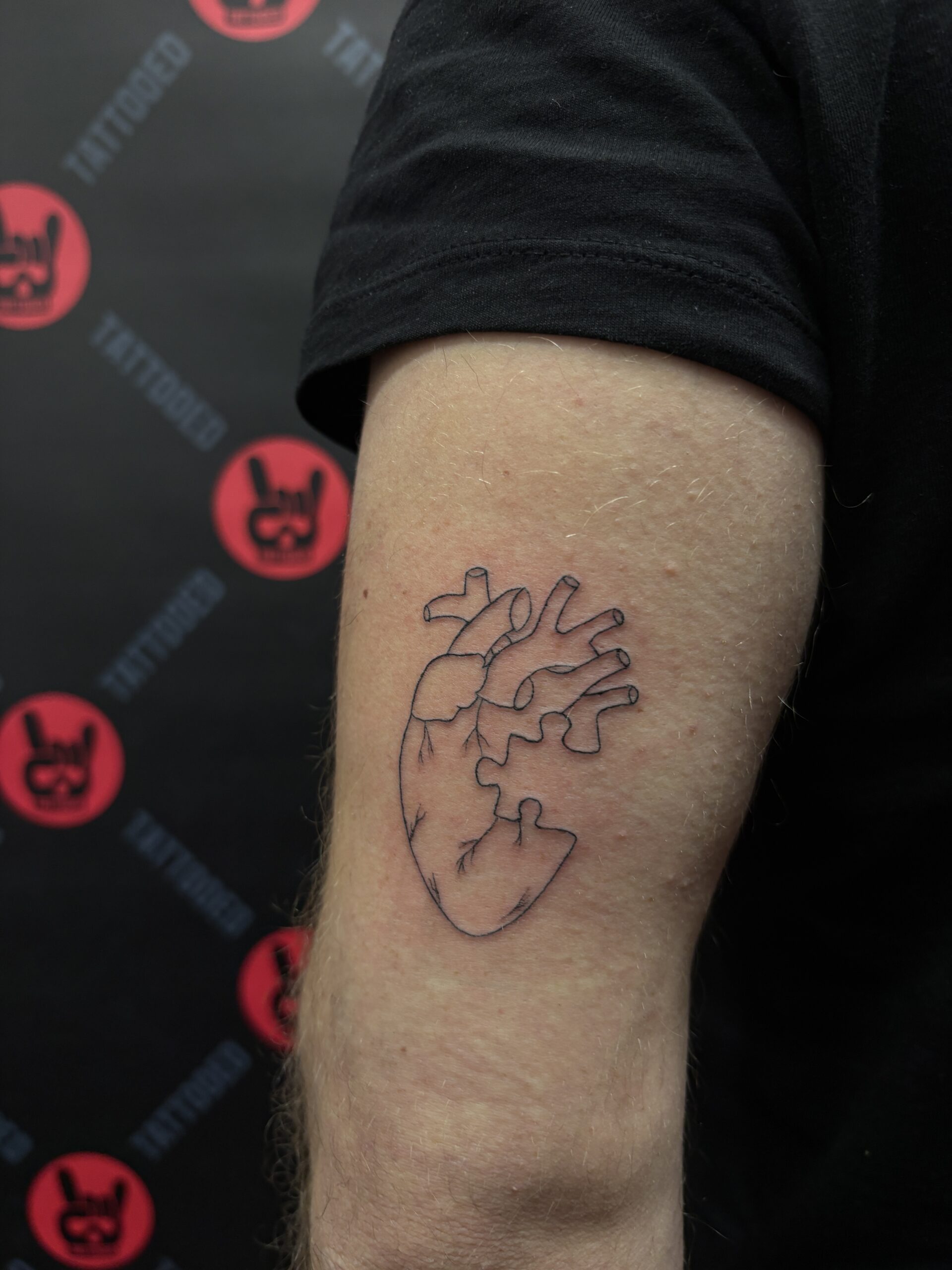
Yellow Zone (Moderate): Shoulder blades, back, abdomen, and front of thighs. It feels like intense scratching—perfectly manageable for a long session.
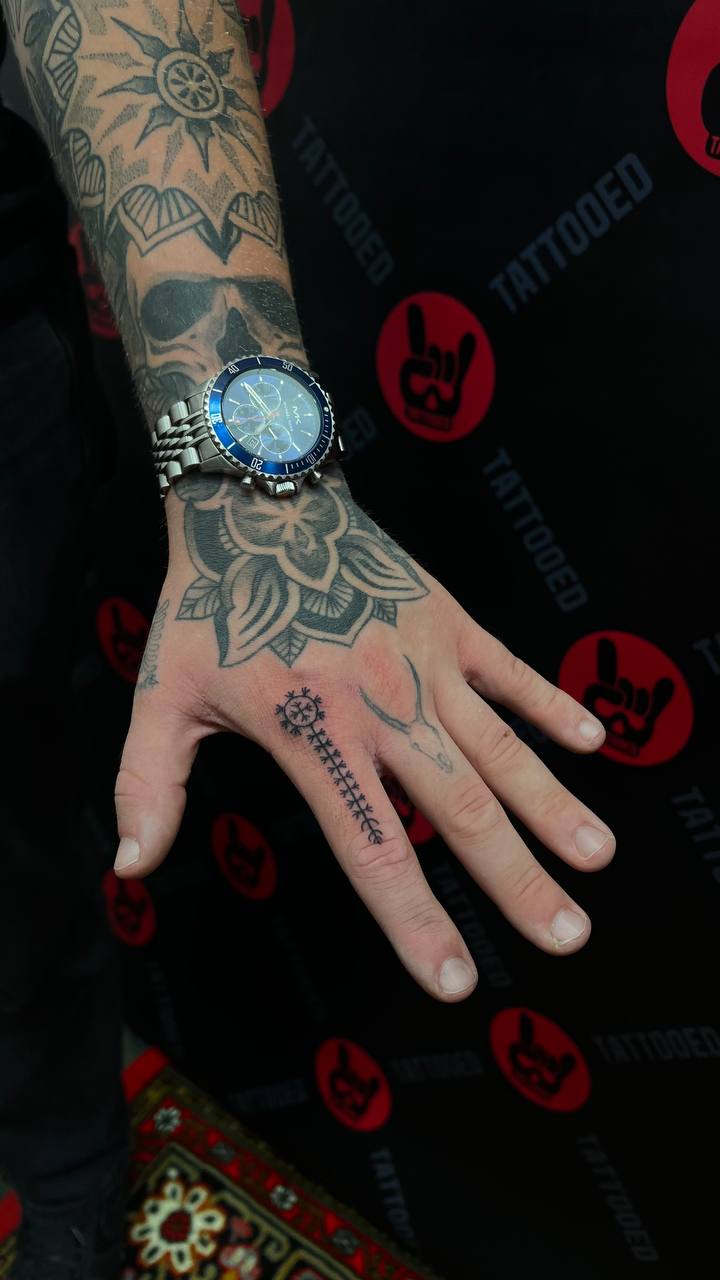
Red Zone (Maximum): Ribs, sternum, elbows, knees, armpits, feet, and fingers. In these areas, the skin is thin, and the machine’s vibration travels directly into the bone or nerve clusters.
Many clients ask for numbing creams (typically lidocaine-based). However, in the professional industry, we approach them with caution for several reasons:
Skin Texture Alteration: Numbing creams can make the skin “rubbery” or overly saturated. This makes it harder for the artist to saturate the pigment correctly, which can lead to unnecessary trauma and longer healing times.
The “Rebound” Effect: When the cream wears off (usually after 60–90 minutes), the pain returns abruptly and often feels much more intense than if you had started without it.
Impact on Pigment: The chemical composition of some creams can react with the ink, potentially causing the tattoo to look duller or “muddy” after it heals.
Your best anesthesia is proper preparation. The Tattooed standard for a smooth session:
Sleep: Get a full night’s rest. A rested nervous system is your best shield against pain.
Eat well: Have a hearty meal 1–2 hours before your session. Stable blood sugar helps your body produce endorphins.
Hydrate: Well-hydrated skin accepts ink better and heals faster.
Dress comfortably: Wear loose clothing that doesn’t restrict movement or apply pressure.
Tattooed Standard: Your Comfort Matters. We know how to make the process as gentle as possible. Our modern equipment and refined techniques minimize discomfort. Remember: the fear of the pain is almost always worse than the pain itself.
Last updated: March 12, 2026